What is Carbon Capture and Storage (CCS)?
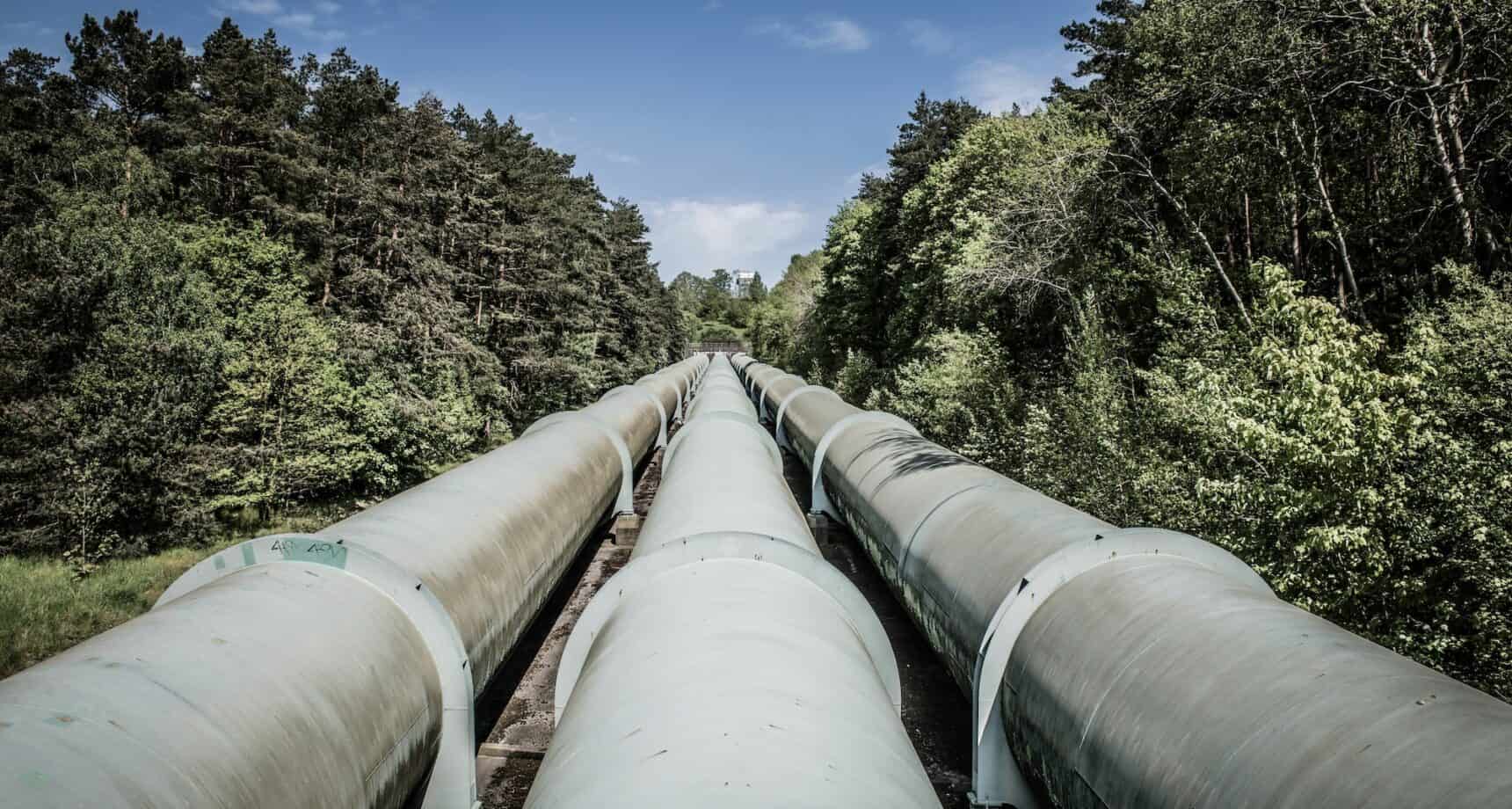
Carbon Capture and Storage (CCS) is a way to remove greenhouse gases from the atmosphere. It works by capturing carbon dioxide from industrial facilities, moving it through pipelines and storing it deep underground.
|
|
464 kms of CO₂ pipelines already operate in Saskatchewan and Alberta, capturing over
7 MegaTonnes of CO₂/year.1
|
|
Why It Matters for Canada
-
CCS is a Key Part of Canada’s Energy Future
The Government of Canada has asked regions that produce significant amounts of greenhouse gases (like Alberta and Saskatchewan) to reduce their emissions, such as CO₂, in exchange for supporting future oil and gas pipelines.
Canada’s ability to continue producing oil and natural gas is essential for Canada’s energy security. The goal of becoming a clean and conventional energy superpower is shared by the Governments of Canada, Saskatchewan, Alberta and Canada’s energy industry.
-
Pipelines are the best way to move CO₂
Pipelines are already the safest and most efficient way to transport large amounts of natural gas. CCS takes the same approach to moving large volumes of CO₂.
-
CO₂ can be used to enhance oil production
There’s an economic benefit to capturing CO₂ when it is used for enhanced oil recovery by pushing CO₂ into oil reservoirs to bring more oil to the surface.
-
Alberta, in particular, emits a lot of CO₂
Alberta’s heavy industries are significant emitters of CO₂. In 2023, Alberta was responsible for ~225 Megatonnes of CO₂ emissions. Canada’s total in 2023 was ~700 Megatonnes.3
-
Good Jobs, Strong Economy
Designing, building, and operating CO₂ pipelines will support thousands of high-quality jobs while opening opportunities in clean hydrogen, enhanced oil recovery and other new industries.4
|
Existing Canadian CCS Projects2
Saskatchewan
Souris Valley Pipeline – 61 kms, 3 MT/year
Cardinal Energy Midale CO₂ – 25 kms, 0.3 MT/year
Boundary Dam to Weyburn CO₂ Pipeline – 14 kms, 1.0 MT/year
Alberta
Quest – 64 kms, 1.2 MT/year
Alberta Carbon Trunk Line – 240 kms, 1.6 MT/year
|
|
Pipeline Safety
| Pipelines remain the safest way to transport oil, gas and CO₂. Pipelines are:
Monitored 24/7 with advanced sensors, drones, and satellites. If something goes wrong, operators can shut down pipelines when needed.
Approved and Inspected by independent regulators including the Ministry of Energy and Resources (Saskatchewan), Alberta Energy Regulator, Canada Energy Regulator.
Built by experience: CO₂ pipelines use the same construction approach as oil and gas pipelines, but are designed for CO₂’s unique properties. Canada has decades of experience building pipelines. Canada currently has over 840,000 km of oil and gas pipelines.6 |
| CO₂ pipelines have been operating for over 50 years in North America. In addition to Canada’s CO₂ pipelines, the U.S. has over 5,000 miles (8,046 kms) of operating CO₂ pipelines.5 |
|
FYI: CO₂ vs. Natural Gas Safety
CO₂ is a colourless, odourless gas that is hazardous in high concentrations. Risks related to CO₂ depend on the concentration upon release, duration of exposure and environmental conditions.
Carbon Dioxide
CO₂ is heavier than air and non-flammable. If released, it stays near the ground until it disperses.
|
Natural Gas
Natural gas is different. It’s lighter than air and flammable, so natural gas leaks rise quickly and carry a combustion risk. |
More Resources on CCS
For more information on CCS, please see:
Notes:
1,2) CER Canada Energy Regulator for the list of current CCS projects at CER – Market Snapshot: Canada is expanding its CO2 pipeline network and Wolf Carbon – Wolf Midstream
3) 2025 National Inventory Report supports Canada’s climate plan is working: emissions have dropped to their lowest level in 27 years (excluding pandemic years) – Canada.ca
4) Outlook | Careers in Energy
5) For more information on U.S. CO2 pipelines see, CO2-Transport-Infrastructure-Factsheet-1-30-2023.pdf
6) Pipelines Across Canada – Natural Resources Canada